A Reader's Guide to Short Drama Tropes, Eight Devices and the Shows That Use Them Best
By the DramaLetters team · · 6 min read


Short drama tropes are the grammar of the form. Watch a dozen series and you'll start to see the same sentences recur: the paper marriage, the hidden heir, the woman who wakes up in her own past. It's easy to dismiss them as cliché, but a trope is really a shared agreement between storyteller and audience, a shortcut that lets a one-minute episode carry the weight of a novel. This guide reads eight of the most common ones closely, asks what each is for, and points to a show that uses it with some grace.
Why tropes matter more in short dramas
A feature film has two hours to build a world. A short drama often has ninety seconds per episode and wants you hooked in the first. Tropes are how it manages. The moment a synopsis says "contract marriage," you know the rules: two strangers, a deal, a deadline, and feelings that weren't part of the agreement. The show can skip the setup and go straight to the friction.
That doesn't make the good ones predictable. As with sonnets, the constraint is where the art happens. The pleasure lies in watching a familiar device turned a few degrees, so it catches the light differently.
1. The contract marriage
What it is. Two people marry for practical reasons, money, a family debt, an inheritance, with a clear end date or a set of rules.
What it's for. Forced intimacy without consent to love. The contract lets the story put two people in the same house and then watch the terms erode.

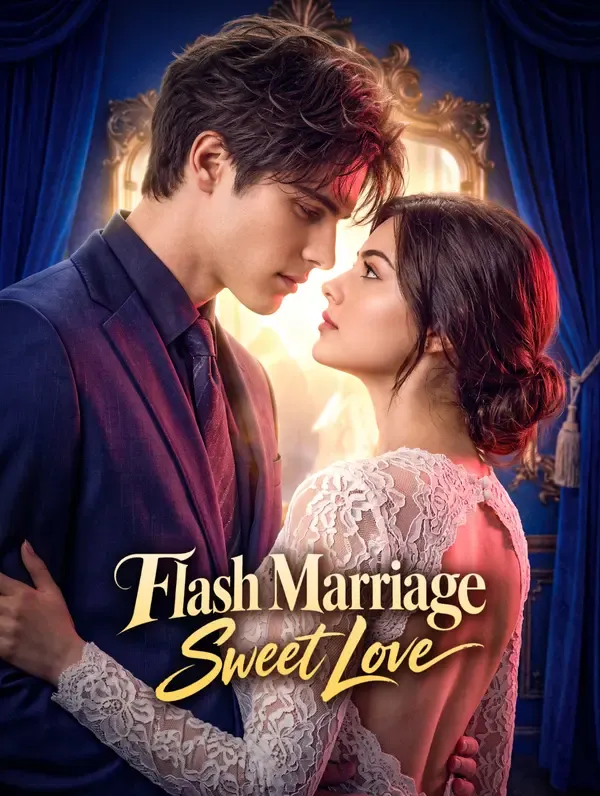
Flash Marriage Sweet Love is a model of the form. To save her bakery, Lila enters a paper marriage with Silas. When a rival frames her at a gala, he reveals that he is Sinclair, the city's most powerful man. It runs 35 episodes on DramaWave. The contract marriage genre holds hundreds more.
2. The hidden identity
What it is. A character is far richer, stronger or more important than anyone around them realises, and is choosing to hide it.
What it's for. Dramatic irony. The audience knows; the snobs don't. Every insult becomes a delayed punchline.

In Ms. CEO's Baby Daddy Is the Merchant of Death, Connor Reed, the most powerful arms dealer in the world, saves Charlotte Hayes and spends a night with her while undercover. Four years later their paths cross again. It's 74 episodes on ReelShort. The hidden identity tag is among the largest in the catalog, which tells you how well the device works.
3. Rebirth
What it is. A character dies, often betrayed, and wakes up years earlier with every memory intact.
What it's for. A second draft of a life. Rebirth stories are about knowledge as power: she knows who will betray her and when.

The Flight She Didn't Take opens at a wedding, where Captain Lucas declares their union a sham and walks out with the bride's younger sister. The heroine had loved him for ten years. It's 50 episodes on AuraReels, and the title itself is a small essay on choices un-made. Browse the rebirth genre for more.
4. All too late
What it is. One partner neglects or wrongs the other until they leave, and only then realises what they've lost.
What it's for. Justice, delivered slowly. The audience watches the careless lover discover the cost of carelessness.
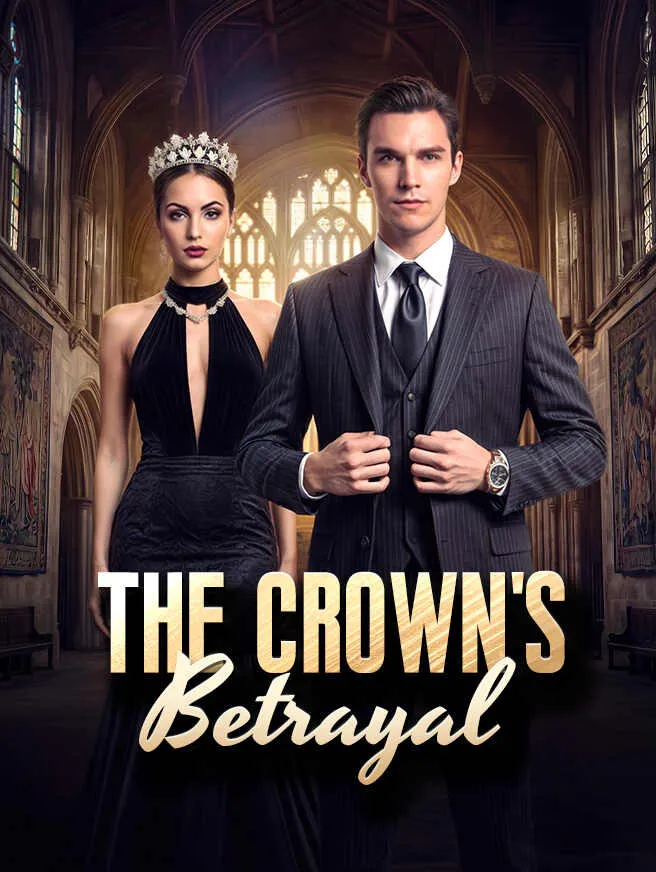

The Crown's Betrayal reverses the usual direction, which is why it's worth watching. Dakota lives like a princess in the Slaybourne royal residence, adored by her devoted husband Adrian, until vanity and temptation blind her. Here, the one who will learn too late is the wife. It's 80 episodes on StardustTV. The all too late tag gathers the rest.
5. The fated mate
What it is. In werewolf stories, two people are bound by destiny, whether they like each other or not. Often one of them rejects the bond.
What it's for. It puts the question of choice at the centre. If fate has decided, what is left for the heart to do?

In Fated to the Alpha, a bullied high school girl is shunned by her pack for not having a wolf. In a new pack she meets a man who will change that. It runs 70 episodes on ReelShort. The werewolf genre is where this trope lives.
6. The secret baby
What it is. One night, one pregnancy, and a father who doesn't know, at least at first.
What it's for. It raises the stakes of a romance beyond the couple. There is now a child whose future depends on whether the adults can grow up.

Pregnant With My Alpha Professor's Triplets is the trope at its most exuberant. Bullied for having no wolf, Maren discovers she's pregnant with triplets by her Alpha professor, who claims her as his wife while jealous rivals circle. It's 50 episodes on DramaWave. Many secret-baby stories begin under the one-night stand tag.
7. The face-slap
What it is. Someone arrogant humiliates the heroine, and later gets a public, satisfying comeuppance. The name comes from the metaphor of a slap landing in return.
What it's for. Catharsis, compressed. It's the short drama's purest pleasure: the moment the room realises who it was laughing at.
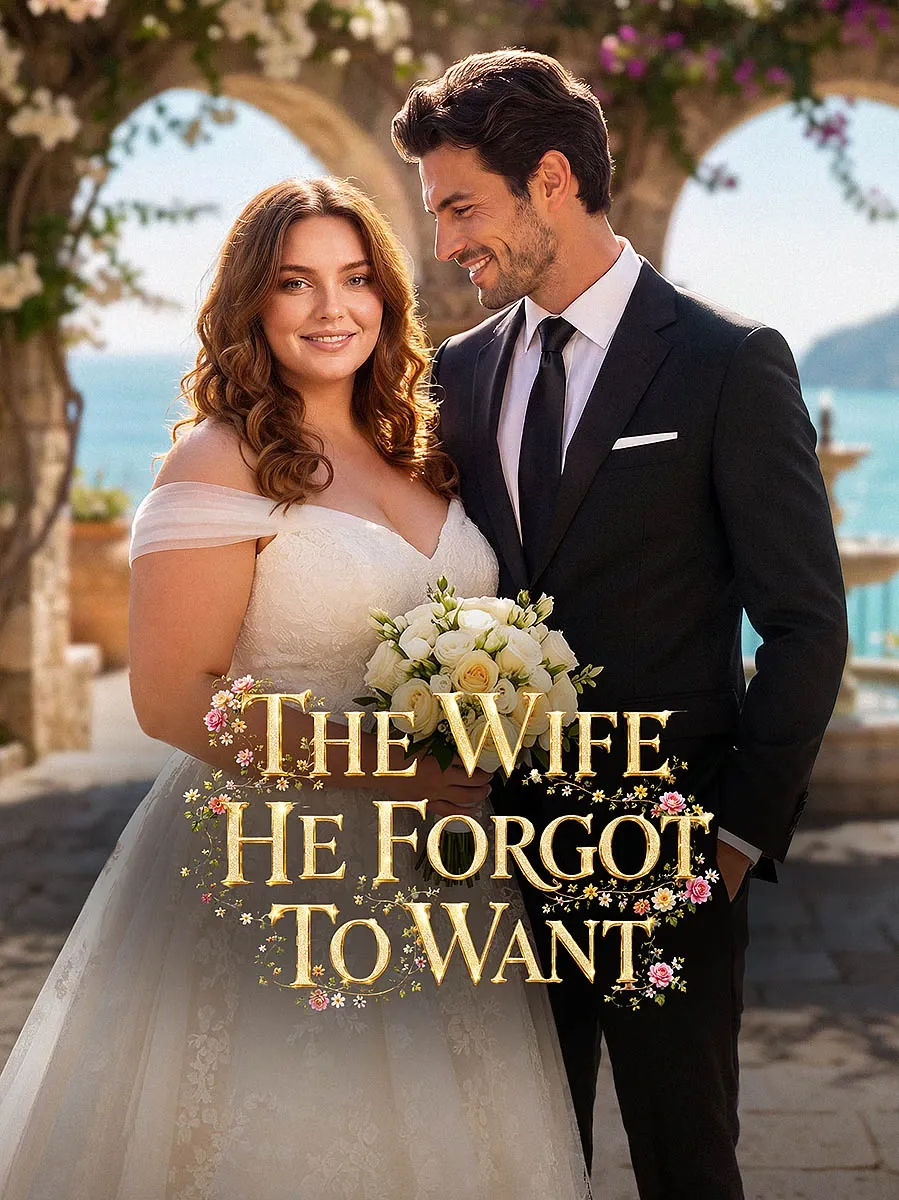

The Wife He Forgot to Want is a 20-episode distillation. Married into a global empire and laughed at by an entire room, she leaves broken and returns unstoppable, and he finally sees what he almost lost. It's on Shortical. The face-slapping genre is full of these reversals.
8. Enemies to lovers
What it is. Two people who can't stand each other, until they can't stand to be apart.
What it's for. Friction as foreplay. Every argument is a disguised confession.

Rivals to Lovers wears the trope as its title. Lucas and Dylan are football teammates and rivals, and the more they clash, the deeper the rift. Lucas thinks Dylan is a heartless rival trying to humiliate him. It's 61 episodes on StardustTV. The enemies to lovers tag has many more.
The tropes at a glance
| Trope | What it does | Show to watch | Episodes |
|---|---|---|---|
| Contract marriage | Forced intimacy | Flash Marriage Sweet Love | 35 |
| Hidden identity | Dramatic irony | Ms. CEO's Baby Daddy Is the Merchant of Death | 74 |
| Rebirth | A second draft of a life | The Flight She Didn't Take | 50 |
| All too late | Slow justice | The Crown's Betrayal | 80 |
| Fated mate | Choice against destiny | Fated to the Alpha | 70 |
| Secret baby | Stakes beyond the couple | Pregnant With My Alpha Professor's Triplets | 50 |
| Face-slap | Compressed catharsis | The Wife He Forgot to Want | 20 |
| Enemies to lovers | Friction as confession | Rivals to Lovers | 61 |
How to read tropes, not just watch them
A few habits make the experience richer:
- Notice the combination. Almost no show uses one trope alone. Flash Marriage Sweet Love stacks three. The interesting question is how they interact.
- Watch for inversions. The Crown's Betrayal turns all too late around. Inversions are where writers show their hand.
- Ask what the trope is protecting. A contract marriage protects two people from admitting they want each other. When the contract breaks, so does the defence.
Two tropes deserve longer treatment, and they get it elsewhere on DramaLetters: the cold rich hero in our essay on billionaire romance short dramas, and the return of the old lover in our review of second chance short dramas. For tropes in costume, from forced royal marriages to mistaken saviours, see our period and historical short dramas.
FAQ
What are the most common short drama tropes?
Hidden identity, contract marriage, rebirth, revenge and the fated mate are among the most widespread. Most shows combine two or three.
Are short drama tropes a bad thing?
Not at all. Tropes are a shared language. They let a show with one-minute episodes skip the setup and get to the emotion. What matters is how well a show uses them.
Where can I watch these shows for free?
Every show in this guide plays free on DramaLetters in any browser. You can browse the full catalog by genre to find more examples of each trope.