The Pleasure of Surrender, an Essay on Enemies-to-Lovers Short Dramas
By the DramaLetters team · · 7 min read



The enemies-to-lovers story makes a promise that no other romance trope quite matches: it promises that the person who infuriates you most is the person who will, eventually, understand you best. It is a promise rooted in a strange and persuasive logic, that real intimacy requires friction, that the people who see through us most clearly are the ones who had every reason to look. This essay is about why that logic works, and about eight enemies-to-lovers short dramas worth watching the walls come down.
Why hatred makes the best foreplay
The conventional romance begins with attraction and builds toward commitment. The enemies-to-lovers romance inverts this entirely. It begins with repulsion, or at least with opposition, and the entire story is the process of that repulsion reversing. What makes this structure so compelling is that it gives the romance resistance. There is something to push against, and the pushing is what generates the heat.
In physics, friction produces warmth. In storytelling, the same law applies. Two characters who agree from the start have nowhere interesting to go. Two characters who despise each other have an entire emotional continent to cross, and every step of that crossing is a scene worth watching. The first grudging respect. The first accidental kindness. The first moment when one of them realises, with horror, that the feeling in their chest is not anger.
Short dramas, with their ruthless pacing, compress this journey into something almost unbearably intense. Where a novel might take three hundred pages to thaw the ice, a short drama does it in sixty episodes of one minute each, and every episode ends on the knife's edge between loathing and longing.
What the trope reveals about love
The enemies-to-lovers trope is, at its heart, a story about seeing. The enemies phase forces both characters to scrutinise each other with an attention that ordinary attraction never demands. They study each other's weaknesses, their habits, their tells. And it is precisely this hostile scrutiny that becomes, without either party's consent, the foundation of intimacy. They know each other better than any friend does, because they had to, and that knowledge, once the hostility burns away, is indistinguishable from love.
This is why the best enemies-to-lovers stories are never about simple misunderstanding. The hatred must be real, or at least earned. The characters must have genuine reasons to oppose each other, and the story must make those reasons matter before it can make them dissolve. Anything less, and the trope is just bickering dressed up as passion.
There is also a vulnerability at the heart of the transition that is easy to miss. To go from hating someone to loving them requires admitting you were wrong, not just about the other person but about yourself. The enemy-turned-lover must confess, if only to themselves, that the wall they built was never as solid as they pretended, that the hostility was always, in part, a defence against something they were afraid to feel. That confession is the trope's most intimate moment, more revealing than any kiss, and the best short dramas know exactly how to build toward it.
The devices that build the bridge
Enemies-to-lovers short dramas rely on a few reliable mechanisms to force their opponents together:
- Forced proximity. A shared office, a shared house, a shared mission. The enemies-to-lovers tag is full of stories that lock two hostile people in the same room and wait for the explosion.
- The reluctant alliance. A common enemy, a shared goal, a contract neither can break. The hatred doesn't vanish; it is merely redirected, and in the redirecting, something else takes its place.
- The vulnerability crack. One character sees the other at their lowest, injured, afraid, exposed, and the script flips. It is very hard to hate someone you have seen cry.
- The public denial. Both characters insist, to friends, to family, to themselves, that they feel nothing. The audience, of course, knows better, and the gap between what is said and what is felt is where the comedy and the ache both live.
Our reading guide to short drama tropes traces these devices across the full range of short drama storytelling.
Eight enemies-to-lovers short dramas worth watching the walls come down
These are arranged not as a ranking but as a spectrum, from the most combative to the most tender. We describe only what each synopsis sets up.
Wet Hot Boys

They cannot stand each other. The setting is charged, the dialogue is sharper than it needs to be, and the tension between them is a living thing in the room. It runs 58 episodes on ReelShort. This is the trope at its most elemental: two people generating enough friction to start a fire, and then standing in the middle of it, daring each other to blink.
Lessons in Love and Hate
The title says it plainly: this is a curriculum. The lessons are brutal, the exams are emotional, and both students are failing spectacularly at pretending they don't care. It's 72 episodes on AuraReels. The academic setting gives the rivalry a particular flavour, competitive, intellectual, and charged with the specific electricity of two people who are too smart for their own good. The hate here is literate, articulate, and all the more devastating when it turns into something softer.
Kidnapped by the Devil

She is taken by the last person she would ever choose, and the captivity forces an intimacy that neither of them wanted. It runs 65 episodes on DramaWave. The power imbalance here is real and unresolved, which gives the romance a darker edge than most enemies-to-lovers stories. This is for viewers who like their tension with a side of danger.
Mated to My Alpha Enemy


In an omegaverse setting, biology pairs her with the one man she has sworn to destroy. The mating bond is involuntary; the feelings that follow it are not. It's 55 episodes on StarReel. The omegaverse device does something clever here: it makes the enemies-to-lovers transition both forced and genuine, and the story wrestles honestly with that contradiction.
Chained to My Nemesis

Literally or figuratively, they cannot get away from each other. The chain is the premise and the metaphor, and the drama asks what happens when two people who would happily never see each other again are bound together with no escape clause. It runs 48 episodes on Shortical. It is the most compressed entry on the list, and the compression works in its favour. There is no room to breathe, and that is the point.
Dear Stranger, I Love You

They begin as strangers who rub each other the wrong way, and the title spoils the ending beautifully. The journey from stranger to enemy to beloved is the whole story, told in 80 episodes on VenixTV. This is the gentlest version of the trope on this list, a story that earns its title slowly and sweetly.
Maid for My Nemesis
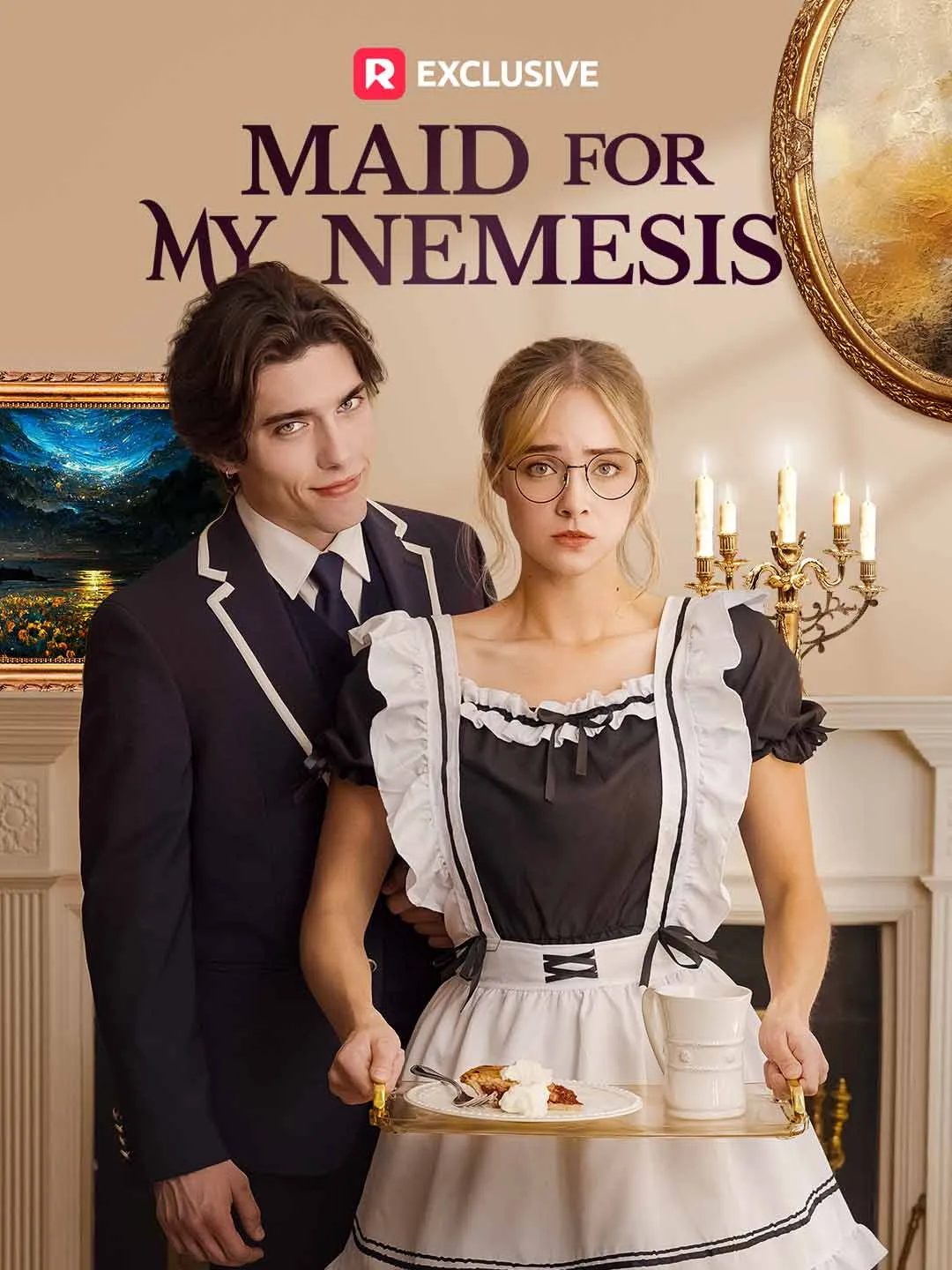
She is hired to serve the household of the man she despises. The power imbalance is explicit, the proximity is constant, and the hostility has nowhere to hide. It runs 60 episodes on FlexTV. The domestic setting, like all good forced-proximity setups, makes the private moments inevitable. You cannot hate someone properly when you are folding their laundry.
Office Enemies

The workplace rivals-to-lovers story, played straight and played well. They compete for the same promotion, undermine each other in meetings, and discover, to their mutual horror, that they are the only people in the building who actually understand each other. It's 45 episodes on SwoopReels. The shortest entry here, and proof that the trope needs very little runway to take off.
At a glance
| Title | Episodes | App | The mood |
|---|---|---|---|
| Wet Hot Boys | 58 | ReelShort | Pure friction |
| Lessons in Love and Hate | 72 | AuraReels | Intellectual sparring |
| Kidnapped by the Devil | 65 | DramaWave | Dark and captive |
| Mated to My Alpha Enemy | 55 | StarReel | Biology versus will |
| Chained to My Nemesis | 48 | Shortical | No escape |
| Dear Stranger, I Love You | 80 | VenixTV | Gentle and earned |
| Maid for My Nemesis | 60 | FlexTV | Domestic tension |
| Office Enemies | 45 | SwoopReels | Professional rivalry |
A closing note
The enemies-to-lovers story endures because it tells us something we suspect is true: that the people who challenge us most are the people who change us most, and that love, the real kind, is not the absence of conflict but the decision to stay in the room with it. These eight dramas play that truth at different volumes, from the whispered to the shouted, but they are all, in the end, about the same terrifying act: letting someone who has seen your worst become the person who holds your best.
If the darker entries intrigued you, our essay on dark romance short dramas ventures further into that territory. And if you like the idea of two people forced into a relationship by circumstance, our letter on contract marriage short dramas explores the trope in a different key.
FAQ
What is the enemies-to-lovers trope?
It is a romance structure in which the two leads begin as adversaries, rivals, or people who genuinely dislike each other, and gradually develop romantic feelings. The tension between hostility and attraction is the story's engine.
Are enemies-to-lovers short dramas free on DramaLetters?
Yes. Every title on this list plays free on DramaLetters, in your browser, without coins, accounts, or unlocks.
Which enemies-to-lovers drama has the best slow burn?
Dear Stranger, I Love You is the slowest and most deliberate burn on this list, at 80 episodes. For a faster ignition, Office Enemies gets there in 45.